The Power of Case Studies in Service-Based Businesses
What Defines a Great Case Study?
Case studies are structured narratives that detail how a problem was identified, addressed, and resolved. They offer a comprehensive view of the journey; connecting challenges to solutions and outcomes.
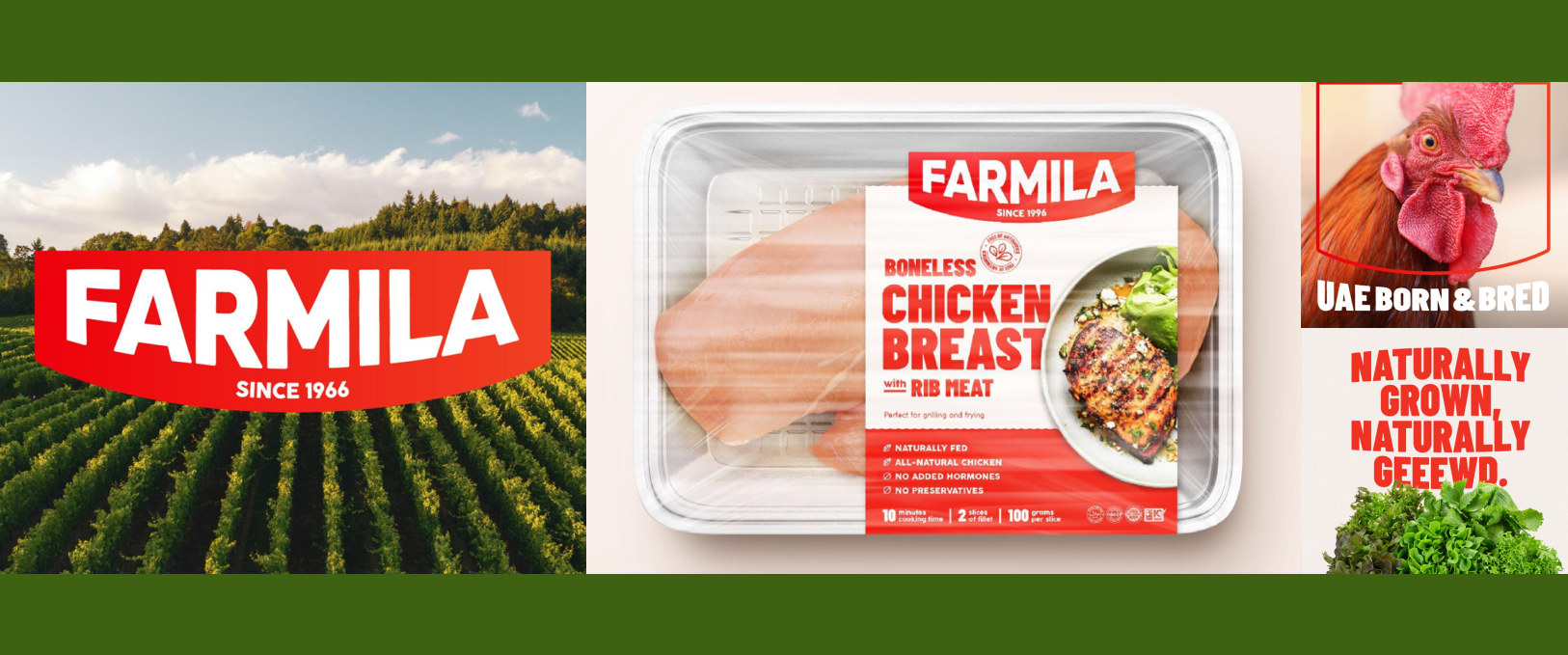
For example, Human Saucer’s work with Farmila demonstrates how thoughtful brand strategy and visual identity can redefine perceptions. The bold red packaging system, paired with clean typography and striking visuals, helped Farmila stand out in a crowded frozen food market while communicating the brand’s commitment to freshness and ethical sourcing. The approach resulted in stronger consumer connections and sustained growth.
Why Case Studies Matter
Potential clients don’t want vague assurances; they want proof. Case studies provide that proof by highlighting how your solutions have led to tangible results.HubSpot’s case studies often focus on measurable results, such as increased website traffic or lead generation. By presenting real data, HubSpot effectively communicates the impact of its services and builds trust with prospective clients.

How to Create Case Studies That Drive Results
1. Start with a Clear and Concise Brief
Set the stage by introducing your client. Share their industry, target audience, and the specific challenge they faced. Keep it sharp and to the point.
For instance, Adobe’s case studies on Coca-Cola and Tourism Australia begin with concise overviews that give just enough context to draw the reader in, setting the tone for the deeper narrative to follow.
2. Focus on the Challenge
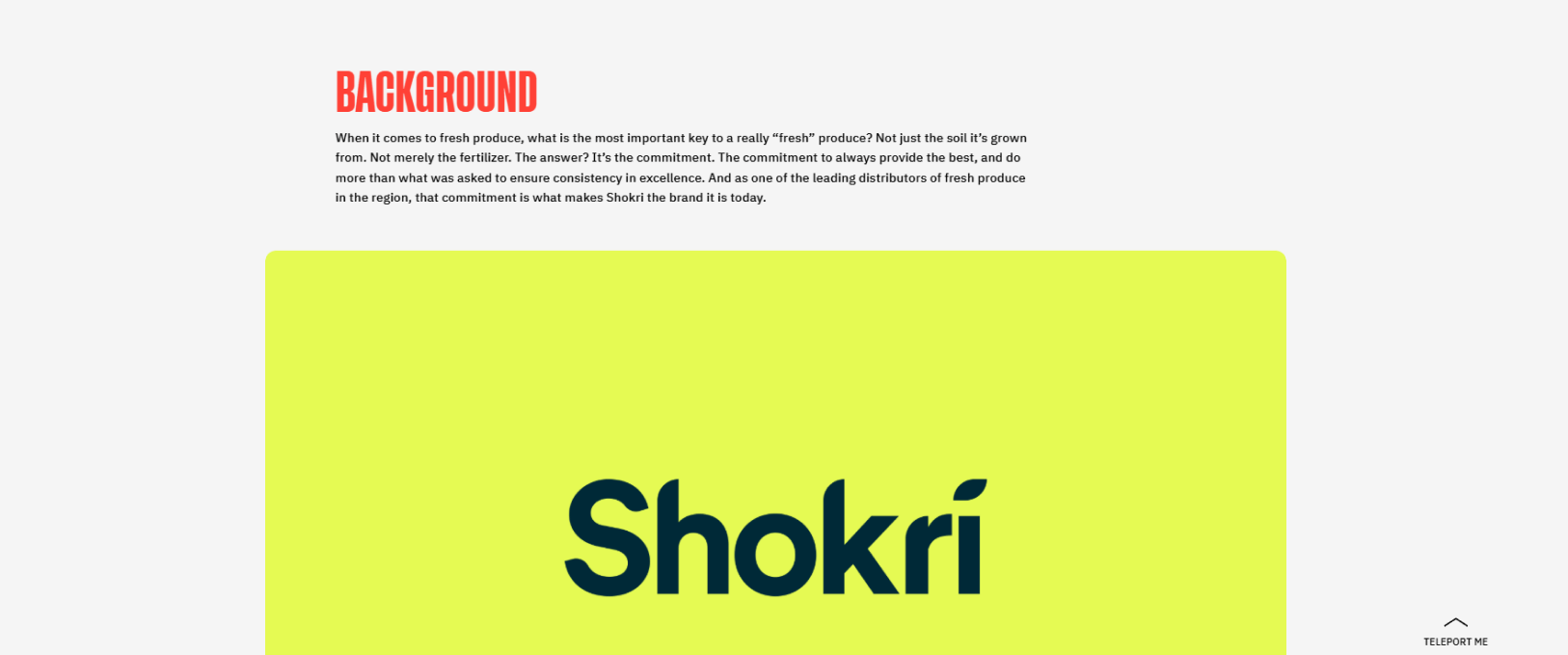
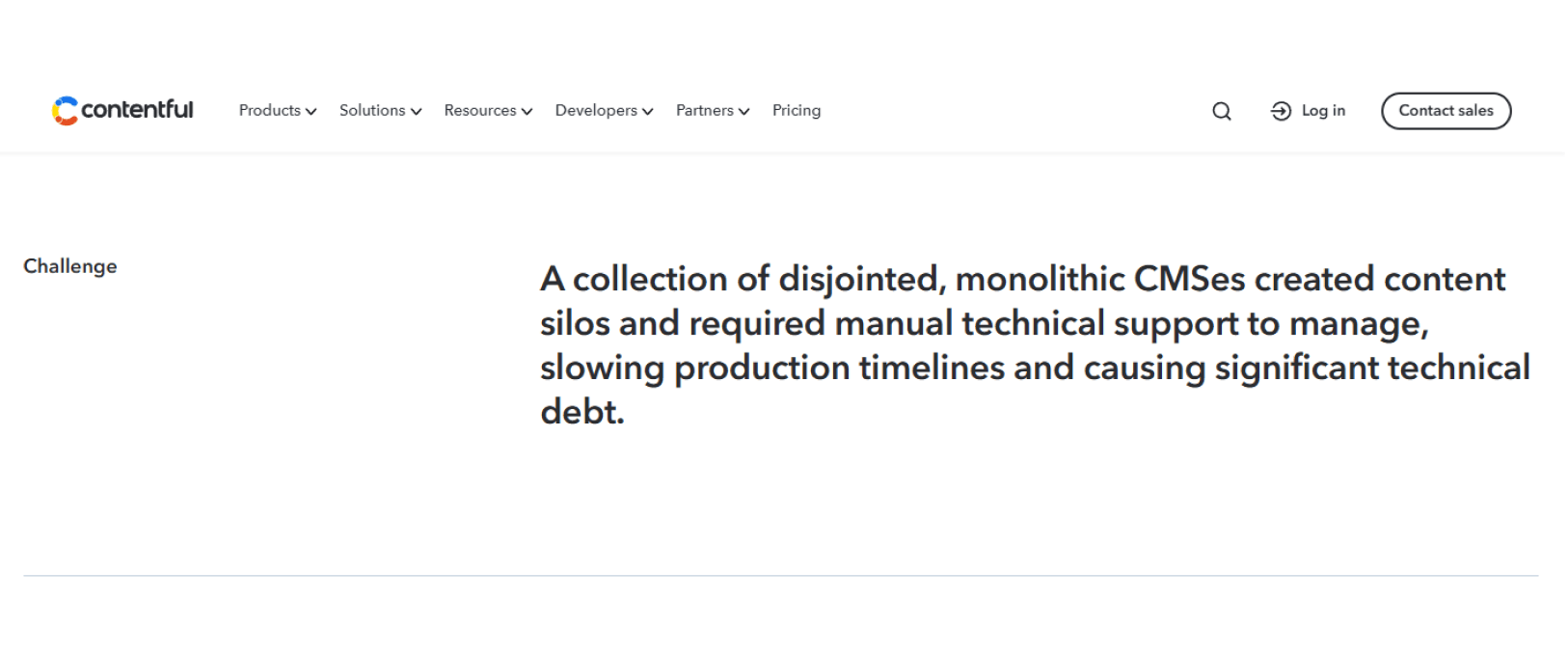
Every great story has a conflict. Outline the problem your client was facing and its implications. Was it lost revenue, operational inefficiencies, or customer dissatisfaction? Providing this context makes the stakes clear.
Human Saucer frequently uses relatable scenarios, such as the need to break through a crowded market or shift brand perceptions, to frame the challenges faced by its clients. For example, in the case of Chowking, the challenge was to position the beloved Filipino quick-service restaurant as a bold alternative to traditional fast food. By creating the “Wok Culture” movement and a fresh visual identity centered around the wok as a symbol of home cooking, Human Saucer redefined the brand’s appeal.
3. Highlight the Solution with Clarity
Explain the approach taken to resolve the client’s challenge. Detail the strategy and why it was tailored to meet the client’s specific needs. For instance, Unilever showcased how it tackled water scarcity issues by collaborating with local communities, conducting on-ground studies, and leveraging sustainable product innovation to address consumer needs. The focus was on the meticulous research process and strategic collaboration that shaped the solution, rather than the end results.
4. Use Visuals to Support the Story
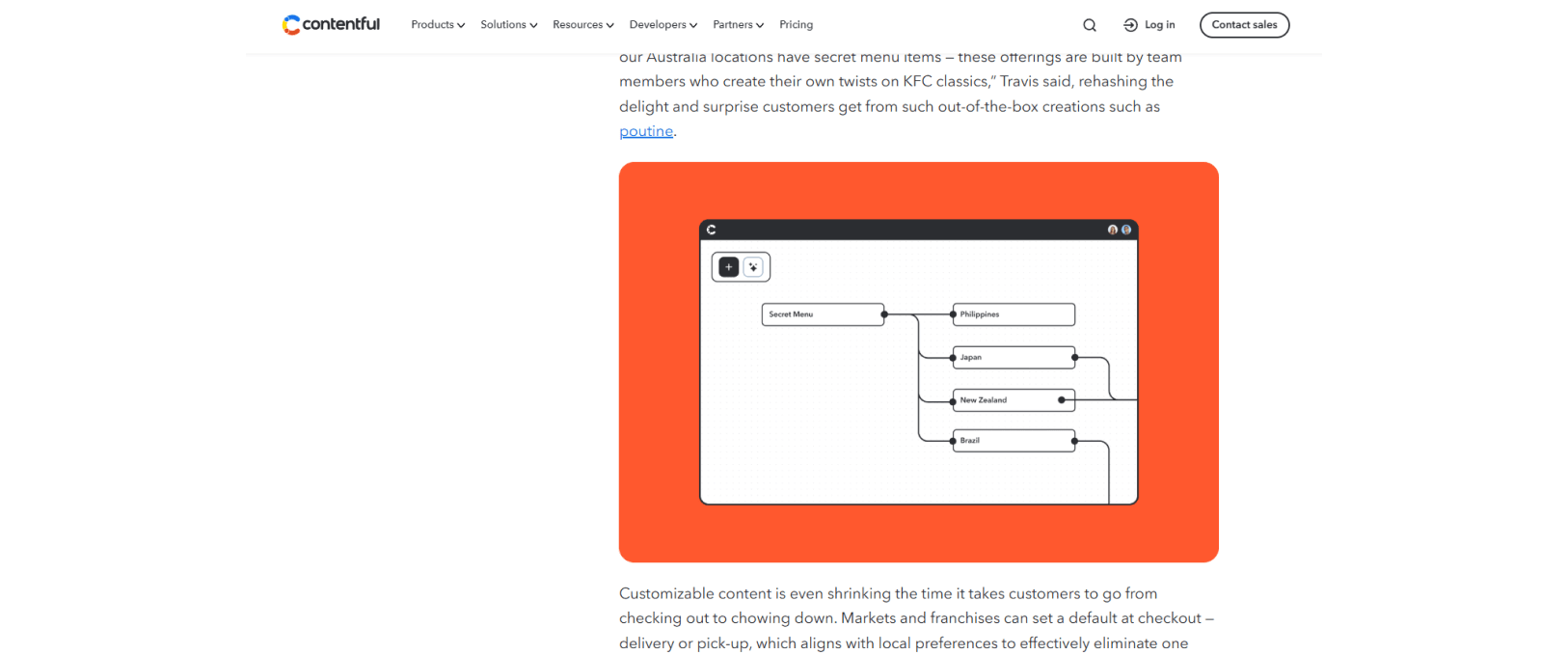
Incorporating visuals such as graphs, charts, or before-and-after images enhances understanding and adds credibility. Slack’s case studies frequently feature visuals that map out improved workflows, showing the transformation in action. These elements make the outcomes tangible, helping potential clients visualize similar results for their own businesses.
5. Emphasize the Results
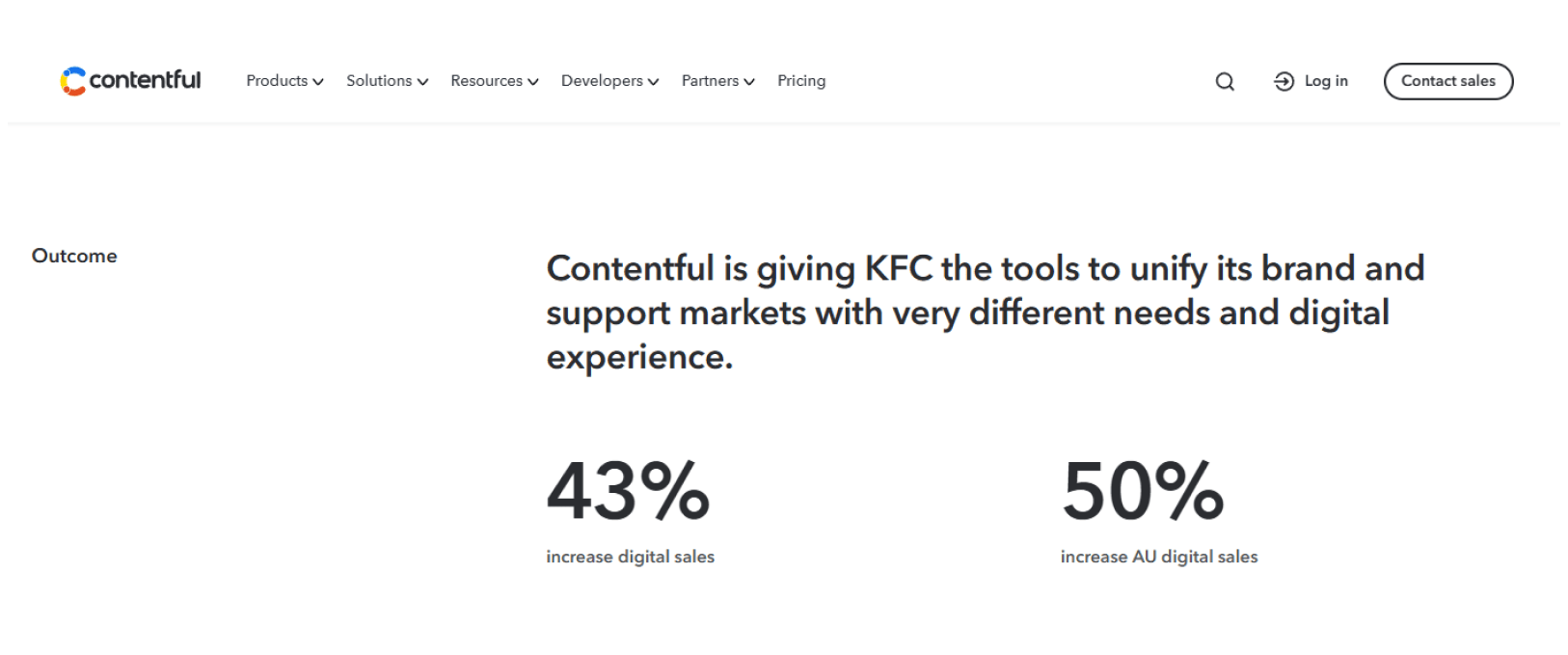
Present measurable outcomes, such as increased revenue, improved efficiency, or higher customer satisfaction rates. Metrics like “a 300% increase in leads within six months” make the impact clear and leave a stronger impression. For example, Salesforce demonstrated how its CRM solution helped a retail client boost their conversion rates by 250% within a year, showcasing the tangible benefits of its platform.
6. Include Testimonials to Build Trust
End with the client’s voice. A testimonial adds a layer of authenticity and gives readers a firsthand account of your impact.
For instance, Slack often pairs testimonials with professional titles and photos, lending credibility and making the endorsement feel personal. A thoughtful quote can turn a good case study into a great one by reinforcing your value from the client’s perspective.

Making Case Studies Work for Your Business
Case studies are a great way to show that you know how to get results. Highlighting relatable challenges, creative solutions, and measurable wins helps people see why they can trust you to deliver.
Take a page from brands like Slack, Adobe, Unilever and HubSpot—and explore our very own Human Saucer case studies for inspiration. Our work, such as the rebranding of Farmila, demonstrates how blending bold visual identity with strategic storytelling can redefine market perceptions and strengthen consumer loyalty. These case studies, much like those of industry giants, blend storytelling with actionable insights, making it easy for potential clients to connect with proven success stories. To make an even bigger impact, focus on telling the best story—use data to grab attention and present your case studies in multiple formats to keep that attention long enough to close the deal.
When you present your work authentically and strategically, your case studies become powerful tools that turn prospects into partners. Explore more of our case studies to see how we craft impactful narratives that drive real results.
Typography: The Unsung Hero of Brand Identity
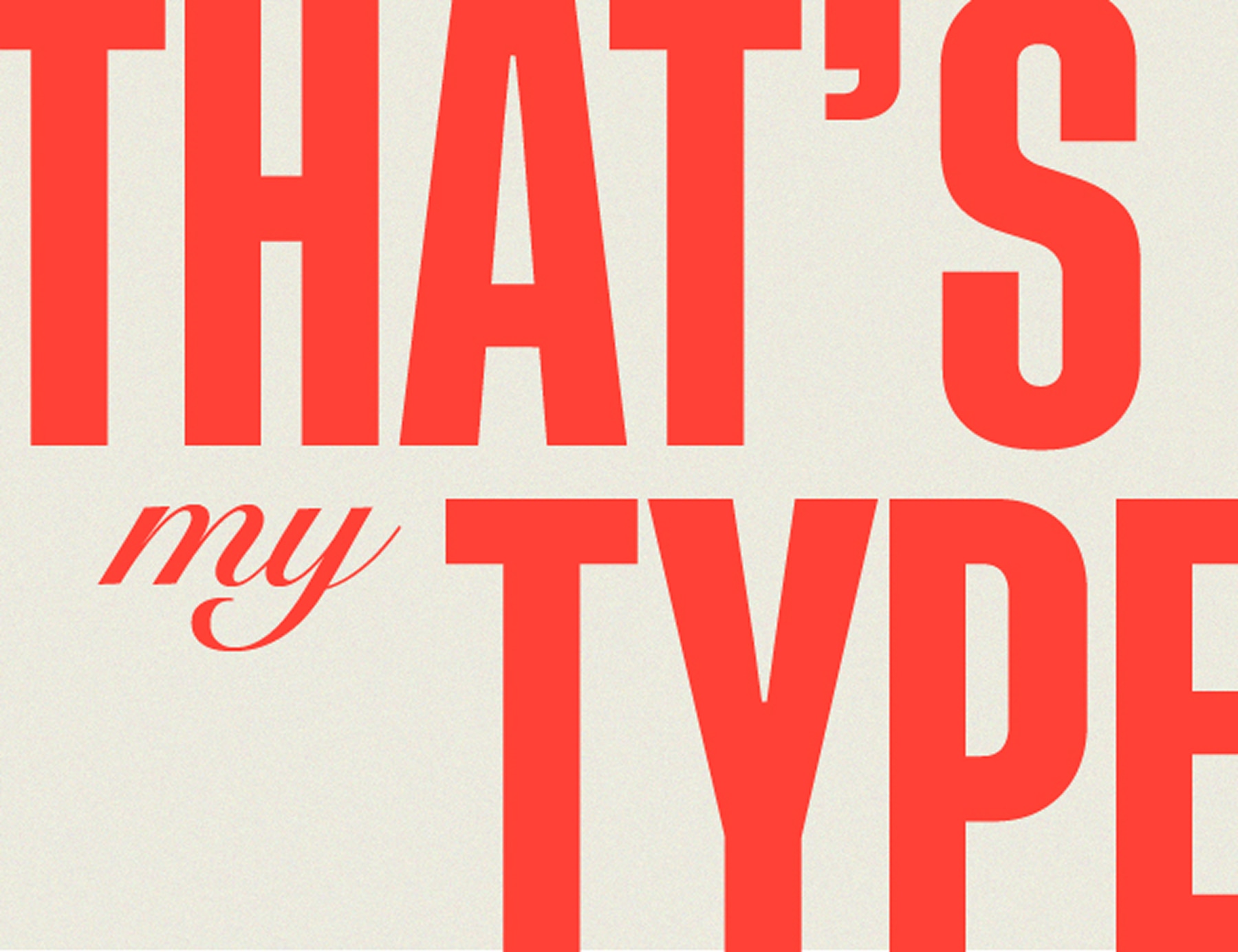
Choosing the perfect font for your brand might feel like picking a needle from a haystack, but it’s not just a design detail, it’s a strategic move that speaks volumes about who you are. Fonts silently express personality, values, and even aspirations. They grab attention, evoke emotions, and create connections long before a single word is read. At Human Saucer, we have honed a methodical approach to unraveling the power of typography and guiding brands toward the right font selection. Let’s dive into the anatomy of font selection, what different types of fonts communicate, and how brands have flipped the script on perception through typography.
Beyond the Logo: How Human Saucer Builds Meaningful Brand Identities
In a world saturated with brands vying for attention, it’s easy to reduce branding to a single visual: a logo. But we understand that true branding is an entire ecosystem of ideas, values, and experiences that form a powerful, lasting connection with your audience.
How Great Brands Use Storytelling to Create Meaningful Relationships
Storytelling has become an essential element of brand strategy, forging a vital connection between brands and their audience. When brands share stories that mirror their audience’s values and experiences, they become more relatable. It’s like finding a friend who just gets you. That connection builds trust and lays the groundwork for relationships that last. Below, we’ll explore how some of the world’s most prominent brands have mastered this art and outline the key steps to infuse powerful storytelling into your own brand strategy, enabling your brand to build authentic, lasting connections with its audience.

Fill in the form below, and we’ll get back to you as soon as possible.