How Great Brands Use Storytelling to Create Meaningful Relationships
Storytelling has become an essential element of brand strategy, forging a vital connection between brands and their audience. When brands share stories that mirror their audience’s values and experiences, they become more relatable. It’s like finding a friend who just gets you. That connection builds trust and lays the groundwork for relationships that last.
Below, we’ll explore how some of the world’s most prominent brands have mastered this art and outline the key steps to infuse powerful storytelling into your own brand strategy, enabling your brand to build authentic, lasting connections with its audience.
WHY STORYTELLING MATTERS
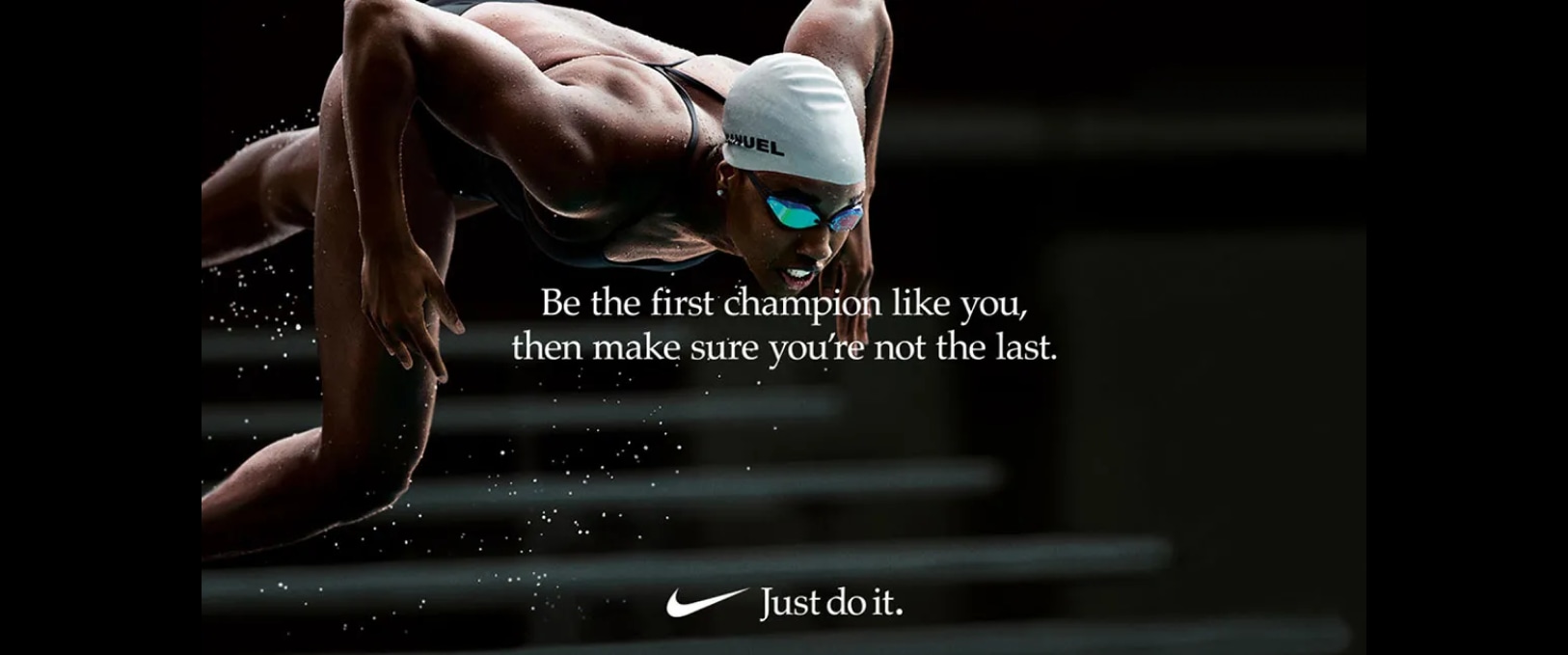
To start, let’s consider why storytelling has become so impactful for brands today. In a time when consumers place high value on authenticity, storytelling allows brands to captivate those who resonate with their values. Storytelling brings an added layer of depth to a brand, whether it’s through its mission, values, history, or even something as a simple as compelling tagline. Consider Nike’s “Dream Crazy” campaign, featuring Colin Kaepernick. The campaign aimed to sell athletic gear while making a bold statement on standing up for personal beliefs, resonating deeply with audiences who value courage and social justice. Apple’s “Think Different” campaign took a similar approach, celebrating innovators and dreamers, and positioning Apple as a brand for those who dare to challenge the status quo.
Nike and Apple have a knack for positioning their customers as the stars of the show, creating narratives that are deeply personal, inspiring action, and fostering strong emotional connections.

MAKING YOUR AUDIENCE THE HERO
Next, we look at how brands make their audience the focal point of their story. The most compelling brand stories put the audience at the center, casting them as the true protagonists. Instead of claiming the spotlight, these brands focus on their audience’s dreams, challenges, and triumphs. Nike exemplifies this by highlighting real people overcoming personal obstacles, positioning itself as the supportive partner encouraging them to “just do it.” It’s a narrative of personal growth, where Nike plays a quiet but crucial role, offering support every step of the way.
THE ROLE OF CONFLICT
Conflict introduces layers of depth to brand narratives, creating a captivating dynamic that engages audiences on an emotional level. Every compelling story needs tension, an obstacle, or a “villain” for the hero to overcome. A successful brand story gives the audience something to rally against, allowing consumers to see the brand as a force for change. For Apple, the villain is often the status quo; outdated technology that hinders creativity. Apple’s narrative is about empowering individuals to break free from convention. The iconic 1984 Macintosh ad, directed by Ridley Scott, vividly portrayed this battle. Set in a dystopian world of conformity, it positioned Apple as the bold force encouraging individuals to think differently and embrace innovation.

PLAYING THE GUIDE
Effective brands position themselves as a guide, supporting their audience as they pursue their goals. Patagonia, for example, guides consumers toward sustainable choices in harmony with their values. Positioned as a partner in a shared mission, Patagonia provides its customers with the resources, knowledge, and ongoing support they need to actively take part in creating a positive impact, reinforcing the idea that sustainable action is both achievable and essential.

BUILDING A SHARED PURPOSE
Brands and audiences form stronger bonds when united by a shared purpose. A brand and its audience develop a powerful connection when they share a meaningful purpose. Dove’s “Real Beauty” campaign, launched in 2004, aimed to challenge traditional beauty standards, and promote body positivity. It featured real women of various shapes, sizes, ages, and ethnicities, rather than the stereotypical models often seen in beauty advertisements. The campaign’s goal was to redefine beauty as something more inclusive and authentic, fostering a connection with audiences who value authenticity and inclusivity. The connection feels genuine because it reflects shared values.

MAINTAINING AUTHENTICITY
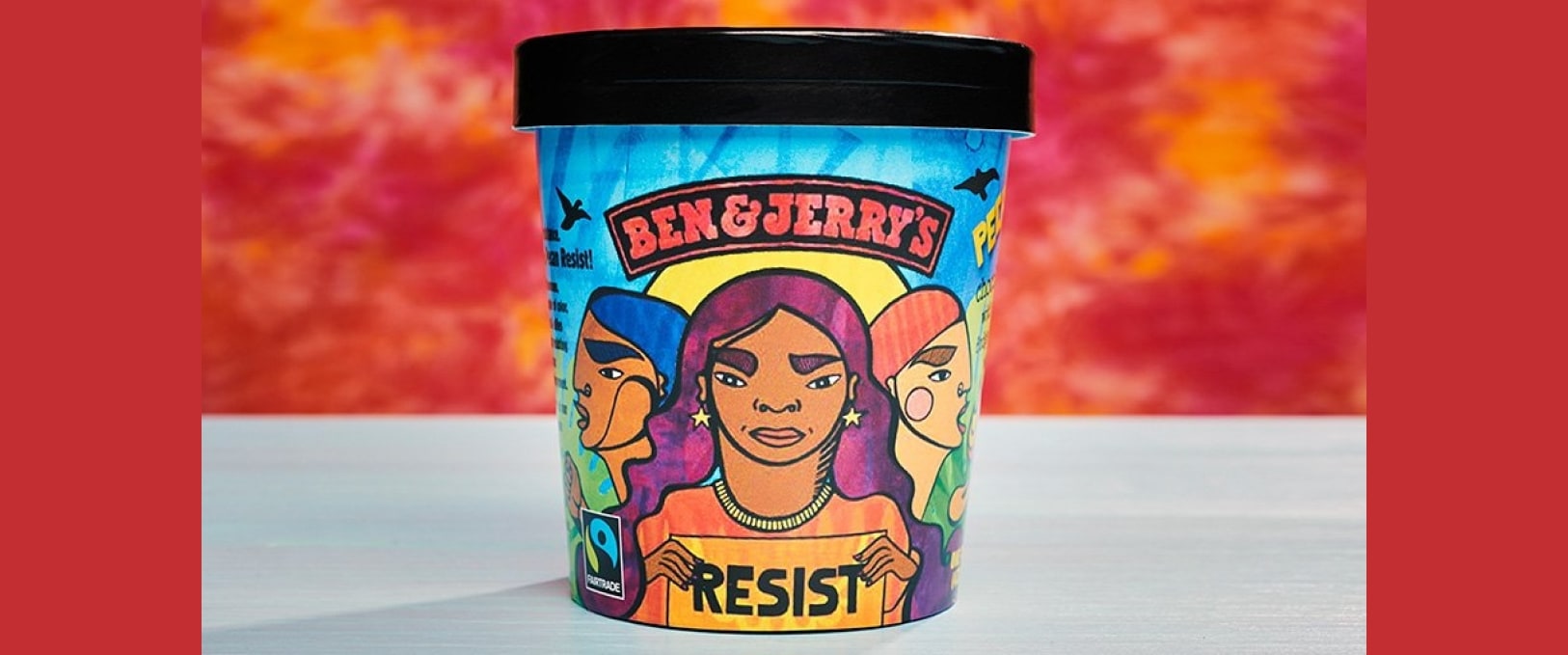
As brands deepen their relationships with audiences, staying true to core values becomes essential. Modern audiences are quick to spot inauthenticity. Staying true to core values, owning the brand’s story, and keeping consistency across all channels are key to building trust. Ben & Jerry’s, for example, speaks out on social justice issues, aligning with its audience’s values. Staying steadfast in its beliefs, the brand builds trust and creates advocates who connect with more than the product alone, but what the brand stands for and advocates.
BRINGING IT ALL TOGETHER
Ultimately, storytelling transforms brands from mere products into meaningful connections. A well-crafted narrative humanizes a brand, making it relatable and fostering trust and loyalty. Every element, no matter how small, enriches the overall story, creating a lasting connection with the audience.
When a story resonates, it’s because it reflects the audience’s own experiences and aspirations, transforming a campaign from mundane to revolutionary. So, if you want your brand to truly connect, make storytelling the center of your strategy, and watch as customers become loyal advocates, inspired and engaged.
Typography: The Unsung Hero of Brand Identity
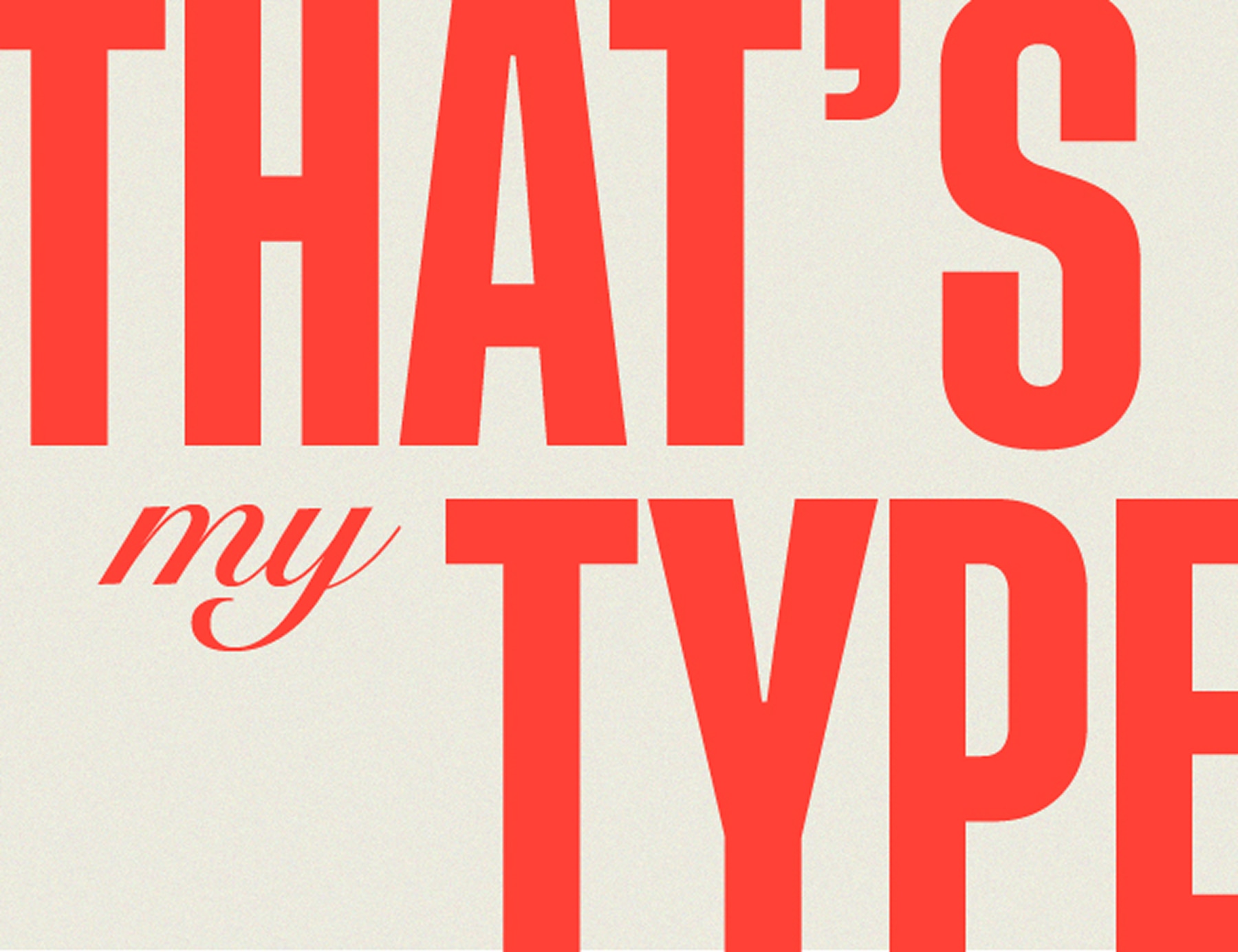
Choosing the perfect font for your brand might feel like picking a needle from a haystack, but it’s not just a design detail, it’s a strategic move that speaks volumes about who you are. Fonts silently express personality, values, and even aspirations. They grab attention, evoke emotions, and create connections long before a single word is read. At Human Saucer, we have honed a methodical approach to unraveling the power of typography and guiding brands toward the right font selection. Let’s dive into the anatomy of font selection, what different types of fonts communicate, and how brands have flipped the script on perception through typography.
Beyond the Logo: How Human Saucer Builds Meaningful Brand Identities
In a world saturated with brands vying for attention, it’s easy to reduce branding to a single visual: a logo. But we understand that true branding is an entire ecosystem of ideas, values, and experiences that form a powerful, lasting connection with your audience.
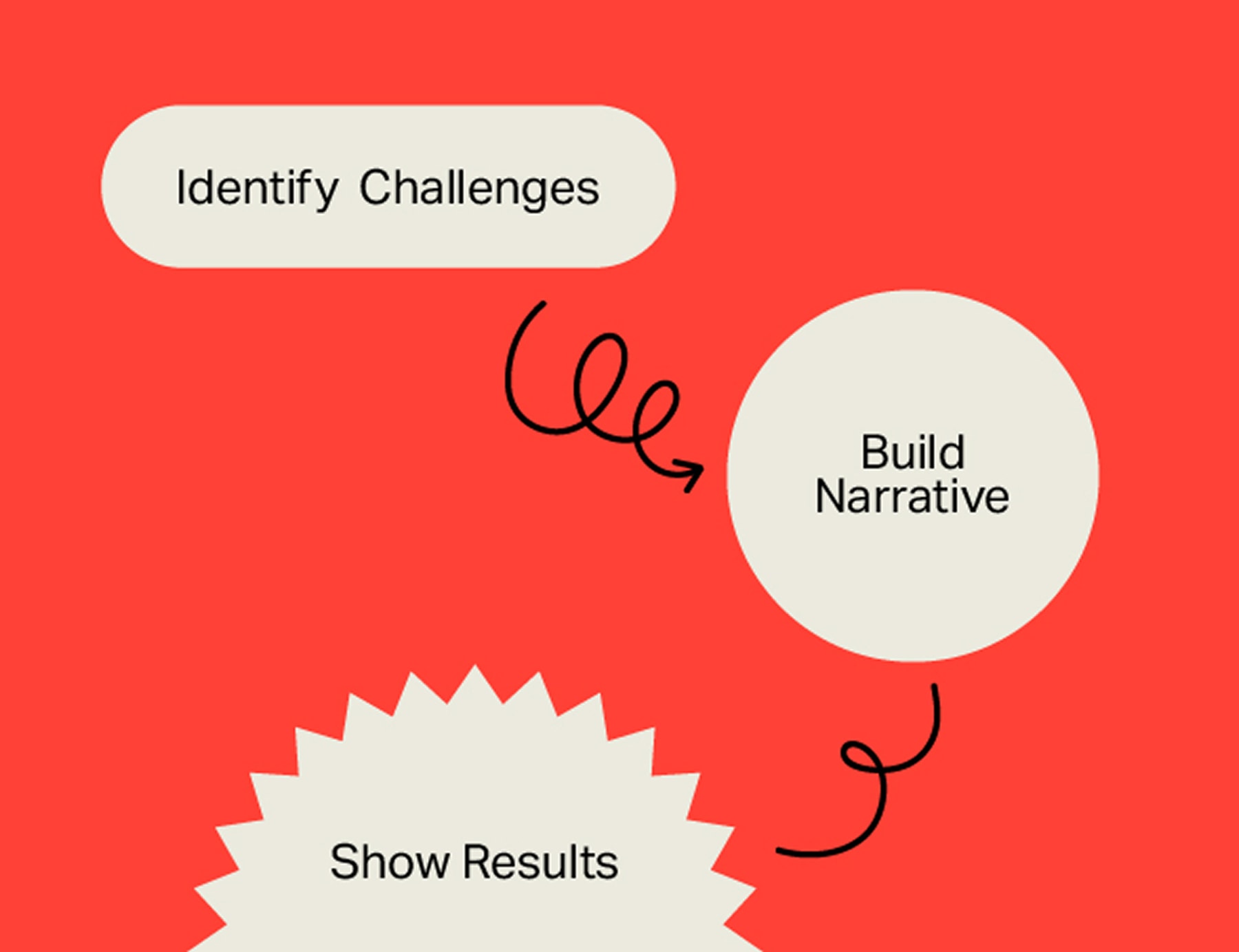
The Power of Case Studies in Service-Based Businesses
IN THE COMPETITIVE LANDSCAPE OF SERVICE-BASED INDUSTRIES, ESTABLISHING CREDIBILITY AND DEMONSTRATING EXPERTISE ARE PARAMOUNT.

Fill in the form below, and we’ll get back to you as soon as possible.